



Why Trauma-Informed Care Is Essential in Eating Disorder Treatment

Please note that this is an Archived article and may contain content that is out of date. The use of she / her / hers pronouns in some articles is not intended to be exclusionary. Eating disorders can affect people of all genders, ages, races, religions, ethnicities, sexual orientations, body shapes, and weights.
By Center for Change
Healing from an eating disorder goes beyond food.
While restoring nutrition and interrupting behaviors are critical parts of treatment, true healing often requires looking beneath the surface to understand why the eating disorder developed in the first place. For many individuals, that deeper story includes trauma.
Trauma-informed care is essential in eating disorder treatment because eating disorders rarely exist in isolation. They often emerge as coping mechanisms in response to pain, fear, loss, or experiences that once felt too overwhelming to process.
For some, trauma is immediately recognized. For others, it may remain hidden for years.
I know this firsthand.
During my first assessment, I didn’t disclose the trauma from my past, nor had I spoken about it or processed it.
I did not realize how those experiences shaped me.
Controlling food and weight gave me order and helped manage emotional pain I couldn’t name.
This is why trauma-informed care matters so deeply: it addresses more than symptoms, aiming to heal root causes and promote lasting recovery.
A trauma-informed approach recognizes that behaviors are often adaptations, ways a person learned to survive. Rather than asking, “What is wrong with you?” trauma-informed care asks, “What happened to you?” and “How has this helped you cope?”
That shift changes everything.
Patients who have experienced trauma may struggle with trust, shame, hypervigilance, perfectionism, dissociation, or a profound need for control, all of which can intersect with eating disorder symptoms. If treatment focuses only on the behaviors without acknowledging the emotional wounds underneath them, healing can feel incomplete.
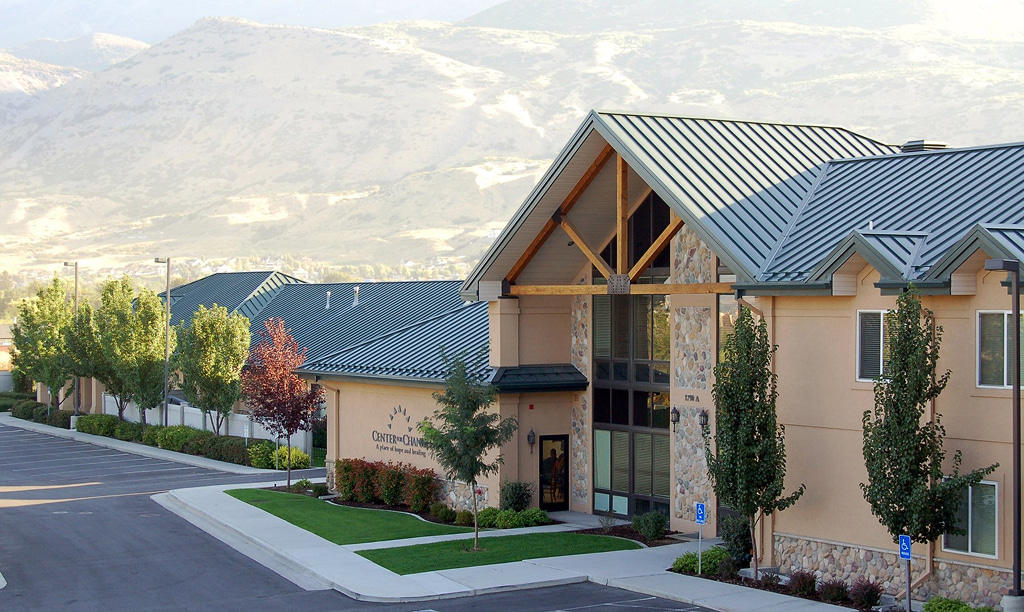
At the Center for Change, trauma-informed care means creating an environment where patients feel emotionally and physically safe enough to begin telling the parts of their story they may have never shared before.
It means understanding that disclosure may not happen right away.
For many patients, just like it was for me, trauma is not something they are ready or even able to talk about during an initial assessment. Sometimes the eating disorder is the language of the trauma before words are available.
Trauma-informed treatment honors each patient’s pace. It prioritizes safety, trust, empowerment, and compassionate curiosity rather than pressure or judgment.
For families, this perspective can also bring understanding. Eating disorder behaviors are often not simply about food or body image. They may be deeply connected to unresolved pain.
Healing becomes possible when both symptoms and underlying trauma are addressed together; this is the key to sustained recovery.
Recovery is not just about stopping symptoms. It is about helping patients feel safe enough to reconnect with themselves, process what they have endured, and build new ways of coping.
Because when trauma is acknowledged with compassion, deeper healing can begin. This is the heart of trauma-informed care.