




Early Action on Diabetes Must Include Eating Disorders World Diabetes Day
Please note that this is an Archived article and may contain content that is out of date. The use of she / her / hers pronouns in some articles is not intended to be exclusionary. Eating disorders can affect people of all genders, ages, races, religions, ethnicities, sexual orientations, body shapes, and weights.
By Quinn Nystrom, M.S. Center for Change
I have lived with type 1 diabetes for twenty-seven years. I know the routine: insulin, food, glucose checks, appointments, planning ahead, and adjusting when life refuses to follow the plan. I also know what it is like to have an eating disorder inside that routine. Those two experiences cannot be neatly separated when we talk about care.
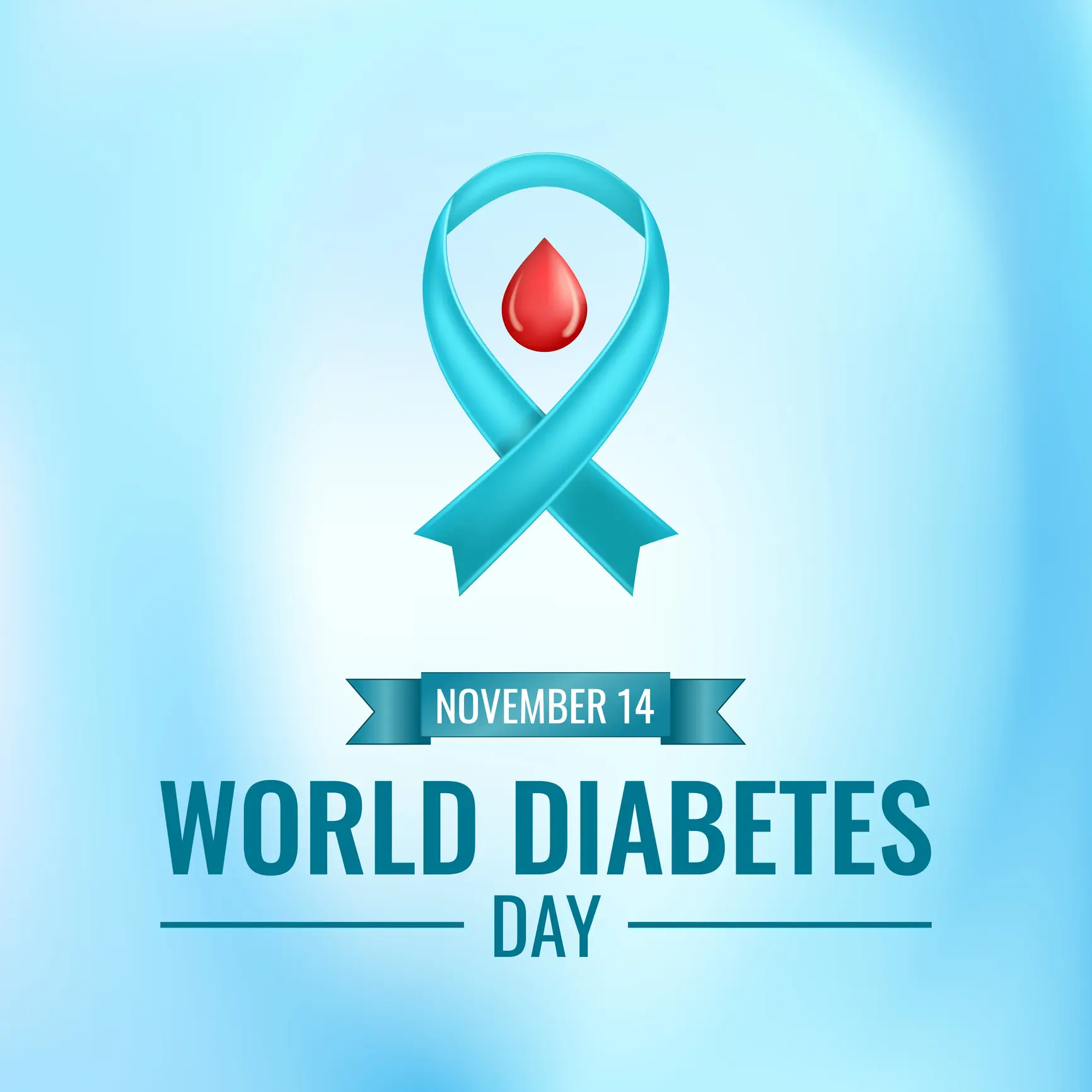
The World Diabetes Day theme for 2026 is “Early Action on Diabetes.” This year’s campaign focuses on early diagnosis and risk reduction. That work matters. For people already living with diabetes, I hope the idea of early action also pushes us to notice eating disorder symptoms early, ask about them without reproach, and connect people with care before the consequences grow.
Diabetes asks a person to pay attention to food, carbohydrates, movement, glucose, and insulin every day. Those tasks are necessary, but they can make it harder to tell when ordinary diabetes management has become tangled with fear, shame, restriction, binge eating, purging, or other eating disorder behaviors. As a result, a person may be praised for being “disciplined” while privately struggling. Someone else may be labeled “noncompliant” when a clinician has not yet asked what is making care difficult.
In type 1 diabetes, intentionally taking less insulin than prescribed for eating disorder reasons can be especially dangerous. People sometimes call this “diabulimia,” though that term doesn’t describe every eating disorder that co-occurs with diabetes. Even so, some people never restrict insulin and still need eating disorder care (like myself). The crucial point is that both the medical and emotional parts of the problem deserve attention.
Research confirms that this overlap itself is real, but prevalence estimates vary depending on the population and how researchers define an eating disorder or disordered eating. That uncertainty is a reason to ask better questions, not to minimize the issue. And because a teenager, adult, man, woman, or person of another gender can struggle, you cannot tell who needs help by looking at their body or by assuming their glucose data tells the whole story.
I also want to name the pressure to be a “good” diabetes patient. We learn to report numbers, respond to alarms, and explain our choices. When results aren’t where our clinicians or we hoped, shame can quickly enter the conversation. So, someone experiencing an eating disorder may hear a routine question as a judgment. A provider who separates curiosity from blame creates a better chance of learning what is really happening and of making a plan the person can follow.
I wish every diabetes appointment made room for gentle, direct questions. Ask how someone feels about eating with diabetes. Ask whether they ever avoid insulin or food because of concerns about weight or body image. Ask what is hardest about care right now. Those questions require privacy and trust. They work best when the clinician is prepared to respond with support rather than surprise, blame, or a lecture.
Early action also means looking beyond a single number. A glucose result may signal a concern, but it cannot explain the whole person. Someone may be dealing with insulin cost, fear of low blood sugar, burnout, depression, an eating disorder, or several of these at once. Care begins with inquisitiveness. When an eating disorder is present, a treatment team needs to understand diabetes management as well as nutrition and mental health. A plan that ignores insulin or glucose safety is incomplete. So is a plan that addresses numbers while leaving shame and distress untouched.
Center for Change has a specialty program for people with co-occurring diabetes and eating disorders, called ED-DMT1. I have partnered with the Center on this intersection because I know how important it is for someone to find professionals who can hold both realities at once. Specialized care can help a person work toward safer and more effective diabetes management while tackling the eating disorder behaviors and beliefs that interfere with it. In this way, treatment must be customized to the individual; no single story or approach describes everyone.
For families and friends:
- Early signs may include…
- Changes in language or behavior
- Increased fear around meals
- Secrecy
- Distress about insulin
- A sense that diabetes care has become a source of punishment
None of these signs is a diagnosis. Instead, they are reasons to ask how someone is doing and to help them reach a qualified clinician. Avoid policing food or confronting someone with accusations. You can say, “I’ve noticed this seems harder lately. I care about you, and I want to understand.”
For professionals:
- Early action can mean building a referral pathway before an urgent situation.
- Know whom you would call if a patient with type 1 diabetes disclosed purging, food restriction, or intentional insulin restriction.
- Coordinate among diabetes clinicians, eating disorder specialists, dietitians, and mental health providers.
- Use language that makes disclosure safer.
- Make sure people are more likely to tell the truth when they believe the truth will be met with care.
Early support also involves continuity. One conversation may be the first time someone has spoken aloud about a behavior they have hidden for years. They may need time to trust the team and a definite next step before leaving the appointment. Follow up with specifics: who will contact whom, what medical concerns need rapid attention, and how the person can reach help if things worsen. Make a compassionate question matter by leading it to care.
If you recognize yourself here, don’t wait until your labs, weight, or life look a particular way before asking for help. If your relationship with food, insulin, or your body is causing distress, tell your diabetes clinician or another trusted provider. If you are already in eating disorder treatment, tell your team about your diabetes needs. If you are in immediate medical danger, seek urgent care. Ask for a coordinated response before things get worse.
When I think about early action, I think of the difference between someone catching a subtle truth and someone missing it because the numbers appeared manageable. I think of the relief of being able to explain that diabetes and an eating disorder have been pulling against each other. I think of how much suffering we can spare when a person is met with informed attention sooner.
World Diabetes Day asks us to act early on diabetes. Let that include the whole person living with it. Screen early. Listen early. Coordinate care early. Believe people when they say diabetes has become entangled with an eating disorder and help them now.