




The Work of Being Well at Work: Disability, Disclosure, and Eating Disorder Recovery
Please note that this is an Archived article and may contain content that is out of date. The use of she / her / hers pronouns in some articles is not intended to be exclusionary. Eating disorders can affect people of all genders, ages, races, religions, ethnicities, sexual orientations, body shapes, and weights.
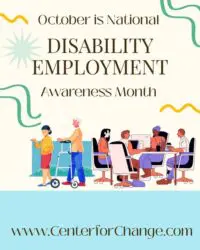
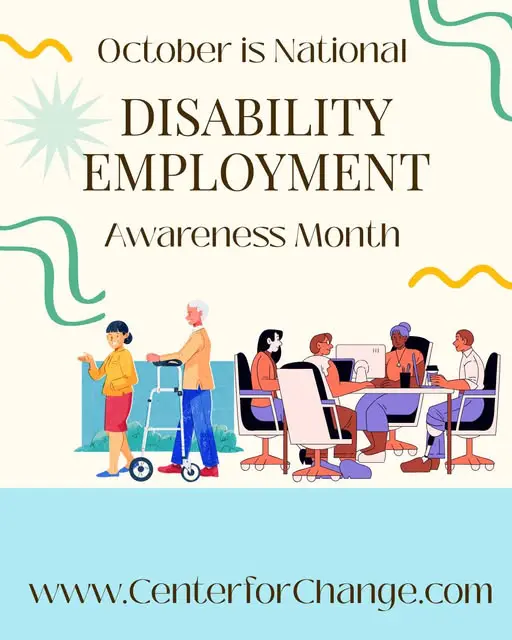
For October’s National Disability Employment Awareness Month
By Quinn Nystrom, MS, Center for Change
When people picture disability at work, they may think first of a ramp, a wheelchair, or an accessible desk. Those things matter. So do the disabilities and health conditions a coworker cannot see: diabetes, an eating disorder, addiction, depression, anxiety, and other mental health conditions. National Disability Employment Awareness Month gives us a chance to ask whether our workplaces make room for the people living with them.
I have lived with type 1 diabetes since I was thirteen. I have also experienced recovery from bulimia and alcohol use disorder. These experiences have shown me that managing a condition can involve considerable work, even when I appear to be doing my job as usual. A meeting doesn’t pause because my blood sugar changes. A deadline doesn’t know that scheduling a treatment appointment took courage. Sometimes the work of staying well happens quietly alongside the work that shows up in a performance review.
At a well-known company, I experienced treatment related to my diabetes that I believed was discriminatory. I brought my concerns to HR. From my perspective, instead of conducting the review I had hoped for, HR asked my direct supervisor for her explanation and then closed the matter. I was left feeling unheard. I was also worn down by the prospect of continuing to challenge decisions made by someone I reported to every day.
I am describing my experience, not issuing a legal verdict about that employer. What stayed with me was the imbalance. Reporting a concern can mean communicating a medical condition, gathering details, risking tension with a supervisor, and continuing to work while waiting for a response. When an employee is already using energy to manage an illness, the burden of self-advocacy can be enormous.
An eating disorder or addiction can add another layer. Many people fear that disclosing treatment will change how colleagues see their competence. They may worry that a schedule adjustment will be read as a lack of commitment, or that a supervisor will reduce a complex illness to a stereotype. Others may not be ready to share a diagnosis at all. No universal answer exists for when or how much to disclose. People deserve accurate information about their options and the freedom to choose thoughtfully.
Sometimes a workplace calls itself friendly while making every request feel exceptional. Somebody may tell an employee that flexibility exists, yet have to explain themselves each time they use it. They may receive sympathetic words in private and then see an appointment counted against their devotion. Consistency matters. Policies become credible when managers know how to apply them, employees know where to go, and people are not punished informally for using available support.
In the United States, federal disability protections can apply to qualifying physical and mental health conditions. Depending on the circumstances, a person may be entitled to reasonable accommodation, protection from discrimination, and limits on how medical information is shared. The details matter, and anyone seeking advice about their situation should speak with a qualified resource, such as an HR professional they trust, an employee assistance program, a disability-rights organization, or an employment attorney. Knowing that protections exist can still be a starting point.
For an employee, an accommodation may be surprisingly practical: time for a medical appointment, a predictable break, a place to manage diabetes supplies, or a schedule that allows treatment. Needs vary, and the appropriate response ought to be worked out with the person rather than assumed from a diagnosis. An employee should not have to tell their full personal history to every colleague to receive respectful treatment.
Managers can make a difference before anyone discloses a condition. They can avoid jokes about food, weight, drinking, or mental illness. They can set clear expectations and invite employees to share what helps them do their work. When someone raises a concern, they can take it seriously, follow a fair process, protect privacy, and avoid making the reporting employee carry the entire investigation. A framework of trust is built in ordinary responses, long before a policy is tested.
Coworkers have a role, too. A team lunch should not require anyone to explain what they eat. An alcohol-centered celebration should leave an easy path for people who don’t drink. No one needs to speculate about a colleague’s leave or diagnosis. These small choices cannot replace legal obligations or good leadership, but they can reduce the daily pressure to hide. They signal that a person belongs even when their needs differ from what the team expected.
Recovery at work also deserves a more realistic story. Treatment is work. Attending a program, meeting with clinicians, practicing a meal plan, or going to a recovery meeting can be essential to someone’s ability to stay healthy. A person may be a valued employee and need time away. They may return with skills, perspective, and a clearer sense of what they need. Their need for care is not a failure of drive.
I wish I had felt more supported when I raised my concern. I also understand why I felt too exhausted to keep fighting. For a long time, I interpreted that exhaustion as a personal failing. Now I see it as part of the very problem we should be discussing. It should not take endless stamina to be treated fairly.
National Disability Employment Awareness Month invites us to view beyond a poster or a policy statement. What happens when an employee actually asks for help? Who listens when they report a concern? Can someone pursue treatment without being treated as less capable? Those answers tell us what accessibility looks like in practice.
If you’re managing an illness and feeling alone at work, your experience matters even if no one else can see it. You can ask questions, seek support, and decide what information you want to share. If you’re an employer, listen carefully to the next person who speaks up. The way you respond may determine whether they feel safe enough to keep doing both kinds of work: the job they were hired to do and the work of caring for themselves.