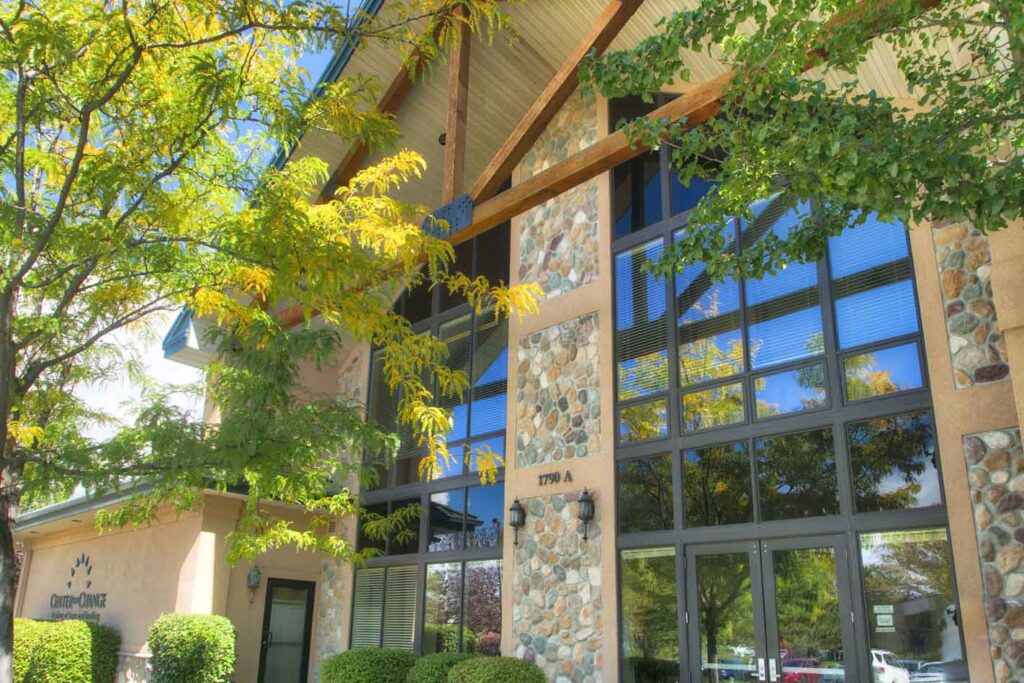

Homelike Spaces for Recovery From Eating Disorders
When an eating disorder affects daily life and outpatient treatment is not providing enough support, residential treatment may be the answer. Living on-site can provide the time and structure to focus on meals, therapy, medical needs, and eating disorder thoughts and behaviors.
Residential treatment may be appropriate for people who need a high level of support but do not require acute inpatient medical care. Some patients may also be experiencing depression, anxiety, trauma-related concerns, substance use or suicidal thoughts.
Around-the-Clock Care for Eating Disorders
Our structured, supportive environment can help keep you moving forward while you take a break from daily pressures at home. Center for Change offers a residential program for adults and teens age 13+ who have a primary diagnosis of:
- Anorexia
- Avoidant/restrictive food intake disorder (ARFID)
- Binge eating disorder
- Bulimia
- Orthorexia
- Other specified food or eating disorder (OSFED)
Residential Treatment Center in Utah
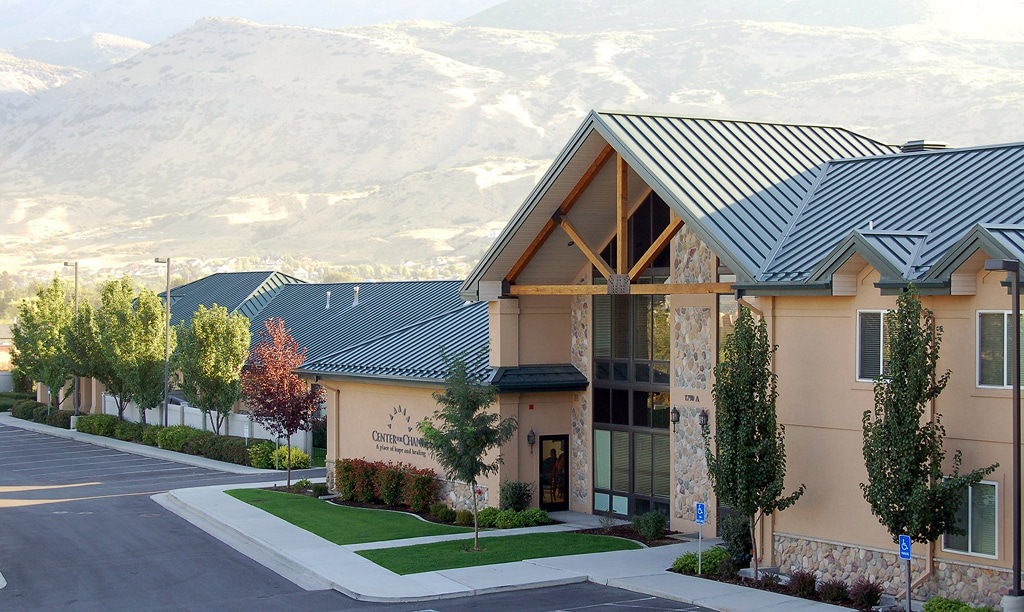
Center for Change is a residential treatment center in Utah serving teens, adults and families from the U.S. and international locations. Residential treatment at the main campus in Orem, Utah, includes:
- Focused eating disorders care: We provide specialized medical and psychological treatment for people with eating disorders and complications.
- Full-circle support: We provide all the answers you need, from assessment to admission to discharge, helping you navigate insurance, travel and other logistics.
- A kind and respectful approach to healing: Our method is anchored in hope, evidence-based recovery-directed eating and intuitive eating techniques.
- Clinical leadership involved in care: Providers include industry-renowned CEO Nicole Hawkins, PhD, CEDS-C, licensed psychologist, and her hands-on executive leadership staff.
Before admission, we assess your medical, psychological, nutritional and behavioral needs. This comprehensive approach helps determine whether residential treatment is an appropriate level of care for you.
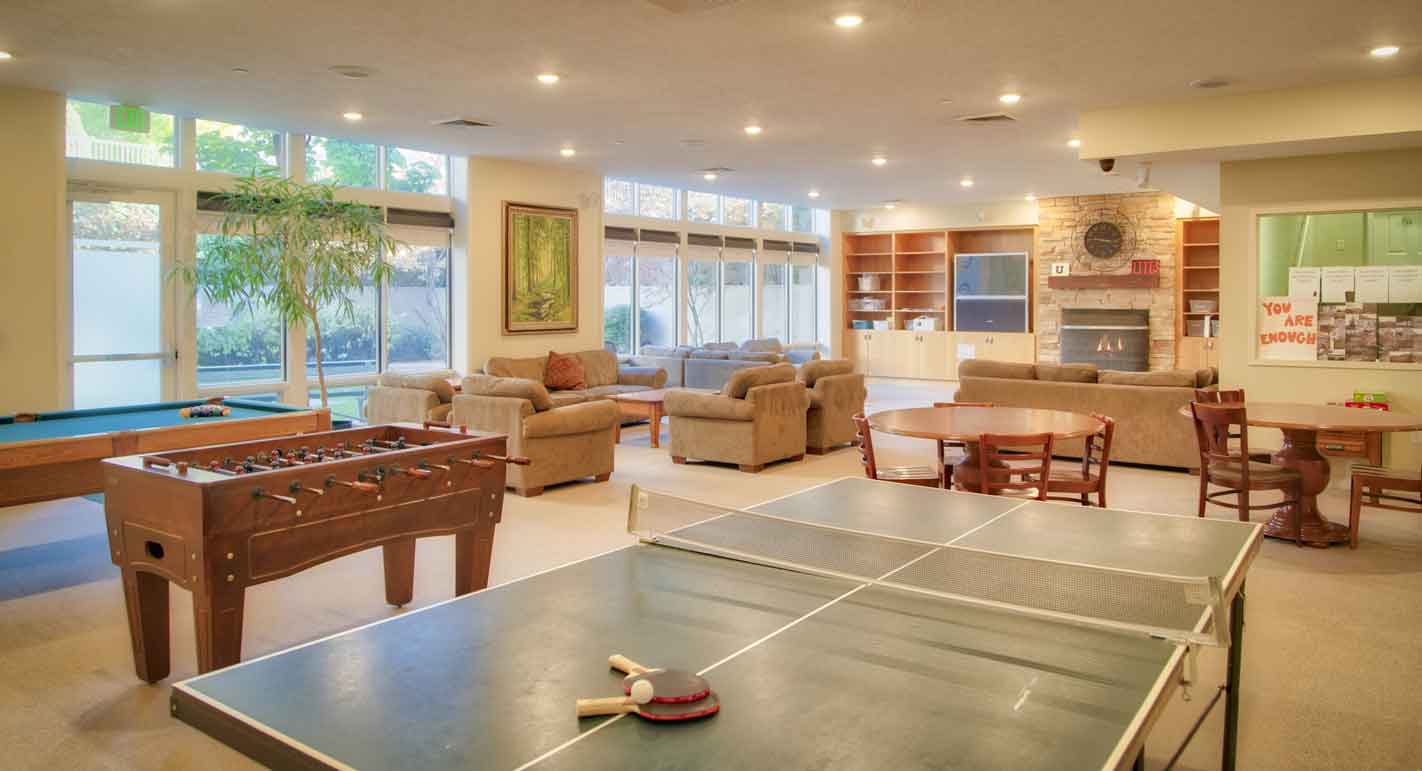
What to Expect at Center for Change
Residential treatment offers more structure than outpatient care while allowing patients to live in a non-hospital setting. Depending on individual needs, residential treatment may include:
- Family involvement opportunities, including monthly family day visits and weekly family therapy, in person or virtually
- Fully engaged, skilled therapists, medical providers, psychiatrists, registered dietitians and 24/7 nursing staff
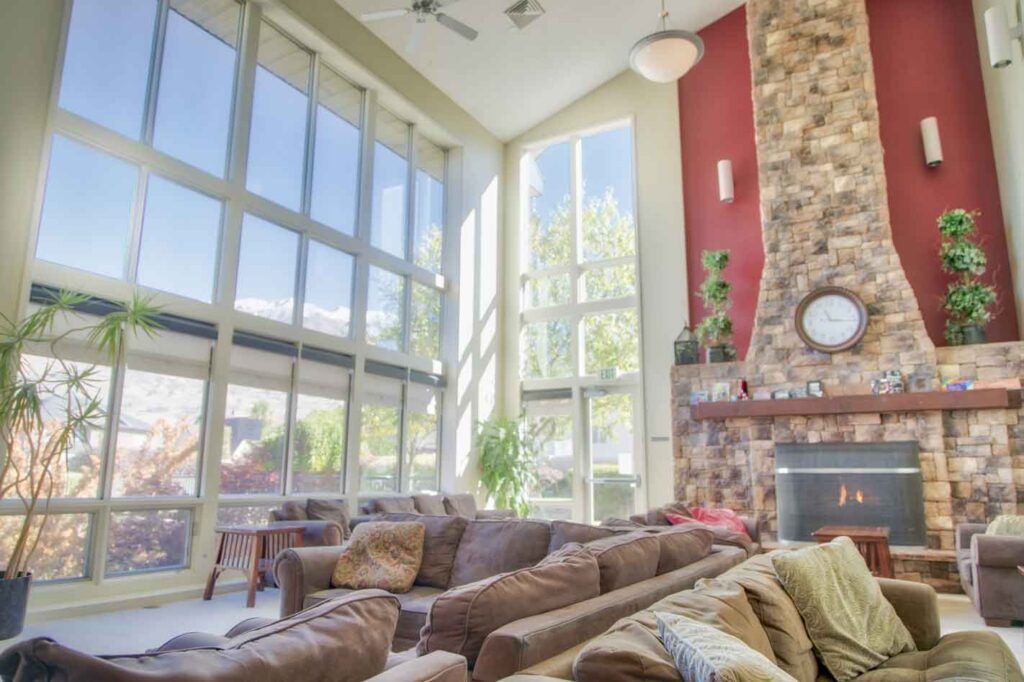
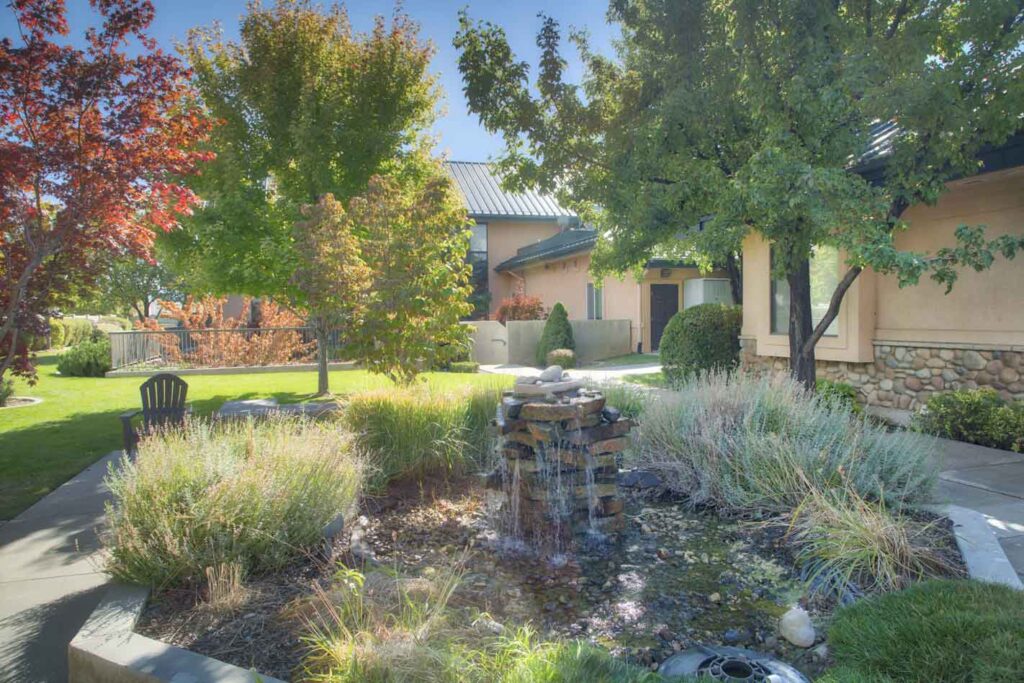
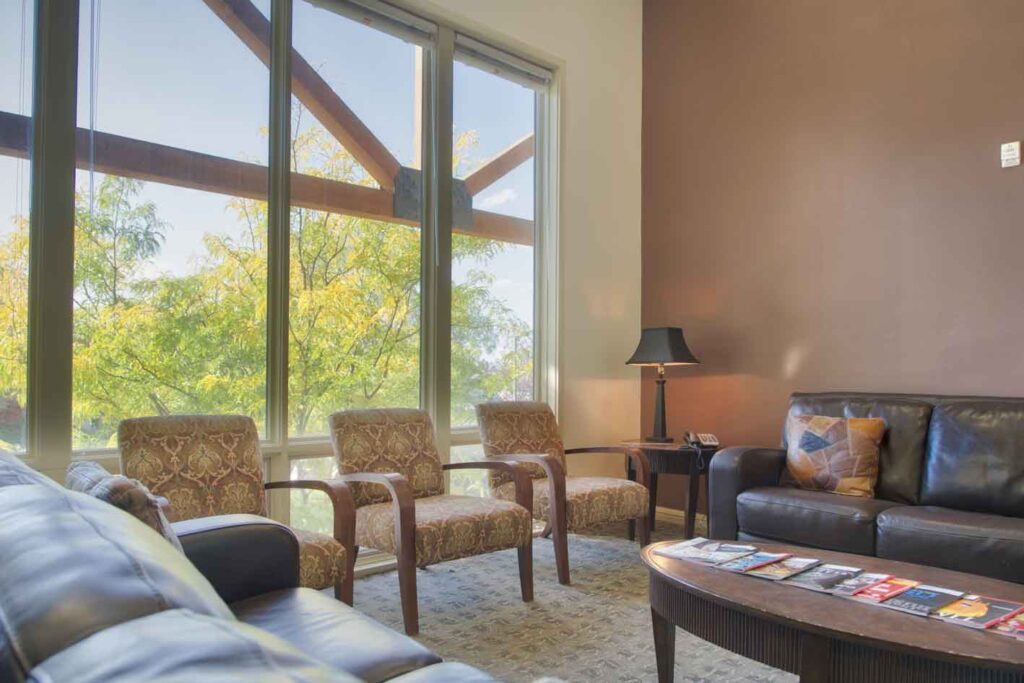
- Homelike accommodations in Utah’s Wasatch Mountains, a serene, comfortable setting for longer-term treatment
- Individual and group therapies where participants learn positive body image, goal setting and life skills along with enjoying art, music, yoga and other recreational activities
- An on-site high school for teenagers to maintain consistency in learning
- Medical and mental health stabilization, with structured weight gain and clinical monitoring of daily improvements and changing needs
- Trauma-informed care to disrupt negative thought cycles, encourage more flexibility and lessen the need for control
Patients may gradually take on more responsibility and practice recovery skills with increasing independence. When appropriate for your needs, we may recommend a step-down level of care after residential treatment. This care may include a partial hospitalization program, either at Center for Change or closer to home.
When Another Level of Care May Be More Appropriate
Every person needs care in a setting equipped to meet their current medical and behavioral health needs. Center for Change may not be the appropriate treatment setting for someone with:
- History of aggressive or violent behavior or high risk for this behavior
- History of sexual aggression or sexual predatory behavior
- Physical or medical condition requiring admission to a medical/surgical unit or ICU
- Severe suicide risk with suicidal intent
Referrals
Center for Change accepts referrals from healthcare professionals, families, friends, coworkers, coaches, teachers and other concerned parties.Call 888-224-8250 today.
Admissions
Reach out to understand your options for eating disorders support. Call our admissions staff at 888-224-8250 to get started. The admissions process includes a clinical assessment along with an insurance and financial review to help determine an appropriate level of care.