


By Quinn Nystrom, M.S. One of the most common conversations I have with people entering eating disorder treatment isn’t about food, weight, or behaviors. It’s about time. “I’m falling behind.”…

Begin searching and quickly find what you need...
By Quinn Nystrom, M.S. One of the most common conversations I have with people entering eating disorder treatment isn’t about food, weight, or behaviors. It’s about time. “I’m falling behind.”…
By: Quinn Nystrom, M.S. If you’ve ever considered treatment, for an eating disorder, substance use, or mental health, you’ve probably felt it: the knot in your stomach, the fear of…
By Quinn Nystrom, MS Every May, #NoDietDay encourages us to question societal messages about bodies, food, and self-worth, reminding us to value acceptance over comparison. This day celebrates body acceptance,…
Written by a former patient & registered nurse For anyone considering treatment—even with fear. If you’re scared, but still reading. If you are reading this and feeling scared about coming…
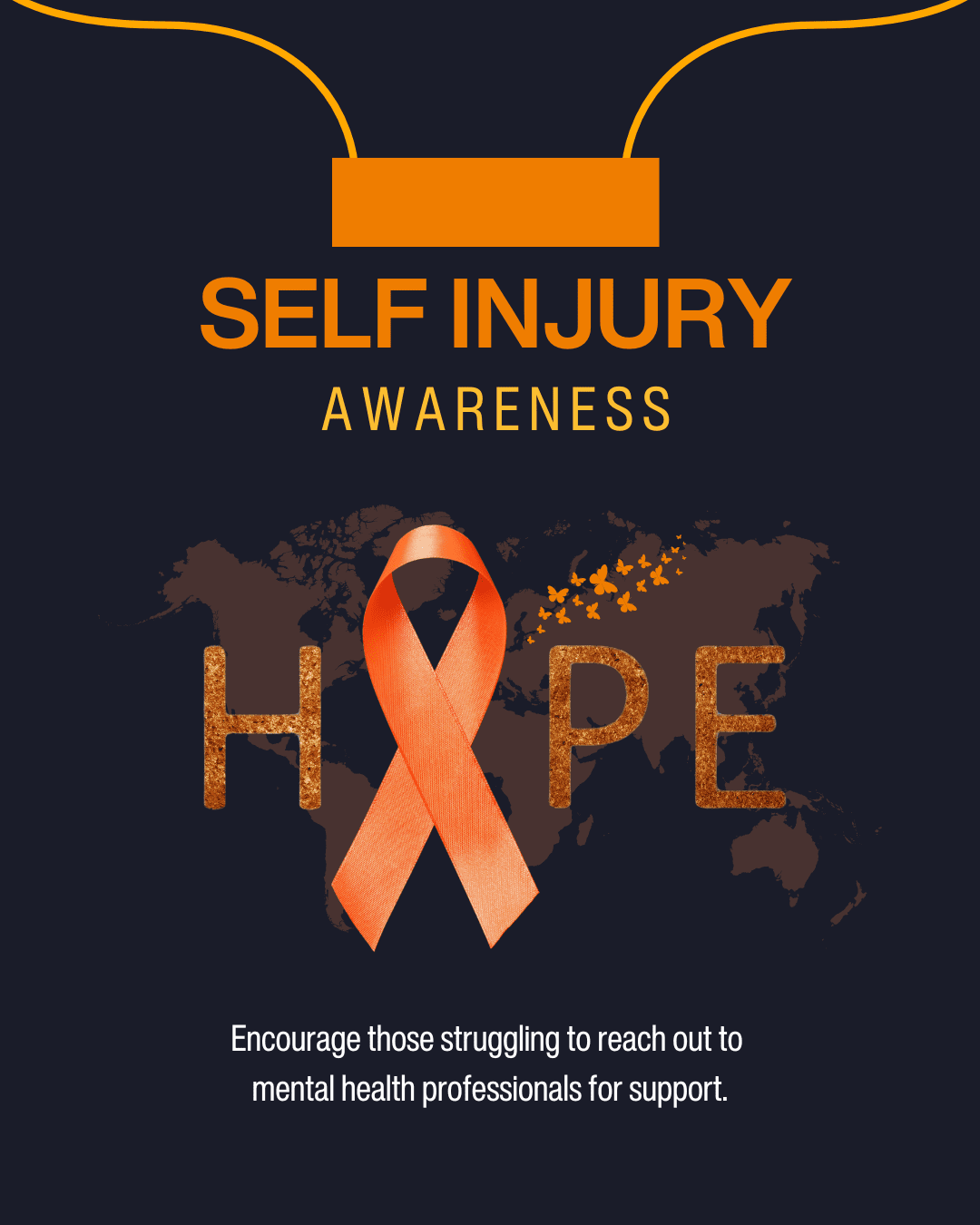
By Quinn Nystrom, MS March was Self-Harm Awareness Month, a time to bring understanding, compassion, and hope to those who may be struggling in silence. Eating disorder recovery often involves…
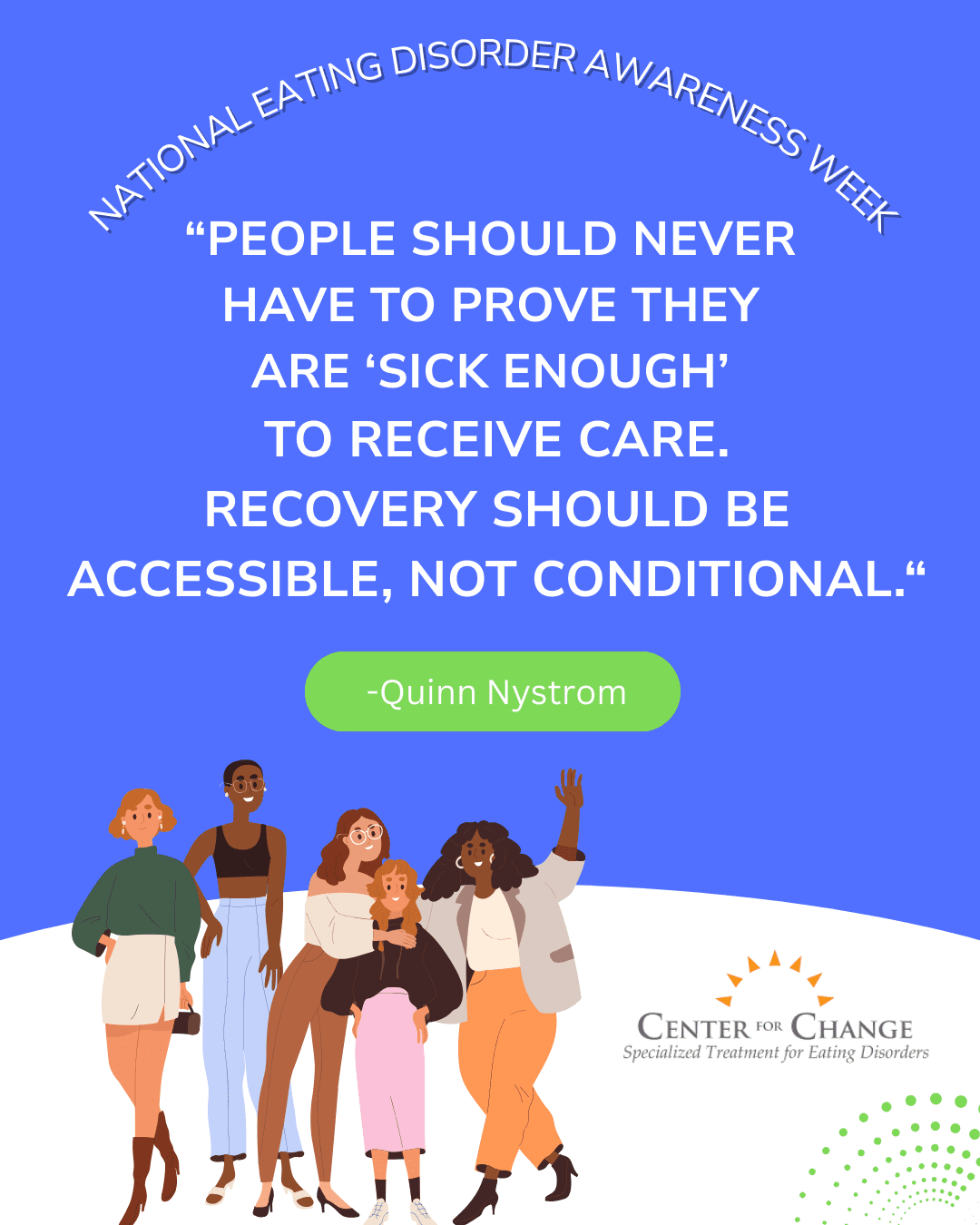
National Eating Disorders Awareness Week 2026 By Quinn Nystrom, M.S. National Eating Disorders Awareness Week is more than a moment of awareness; it is a call to action. The 2026…
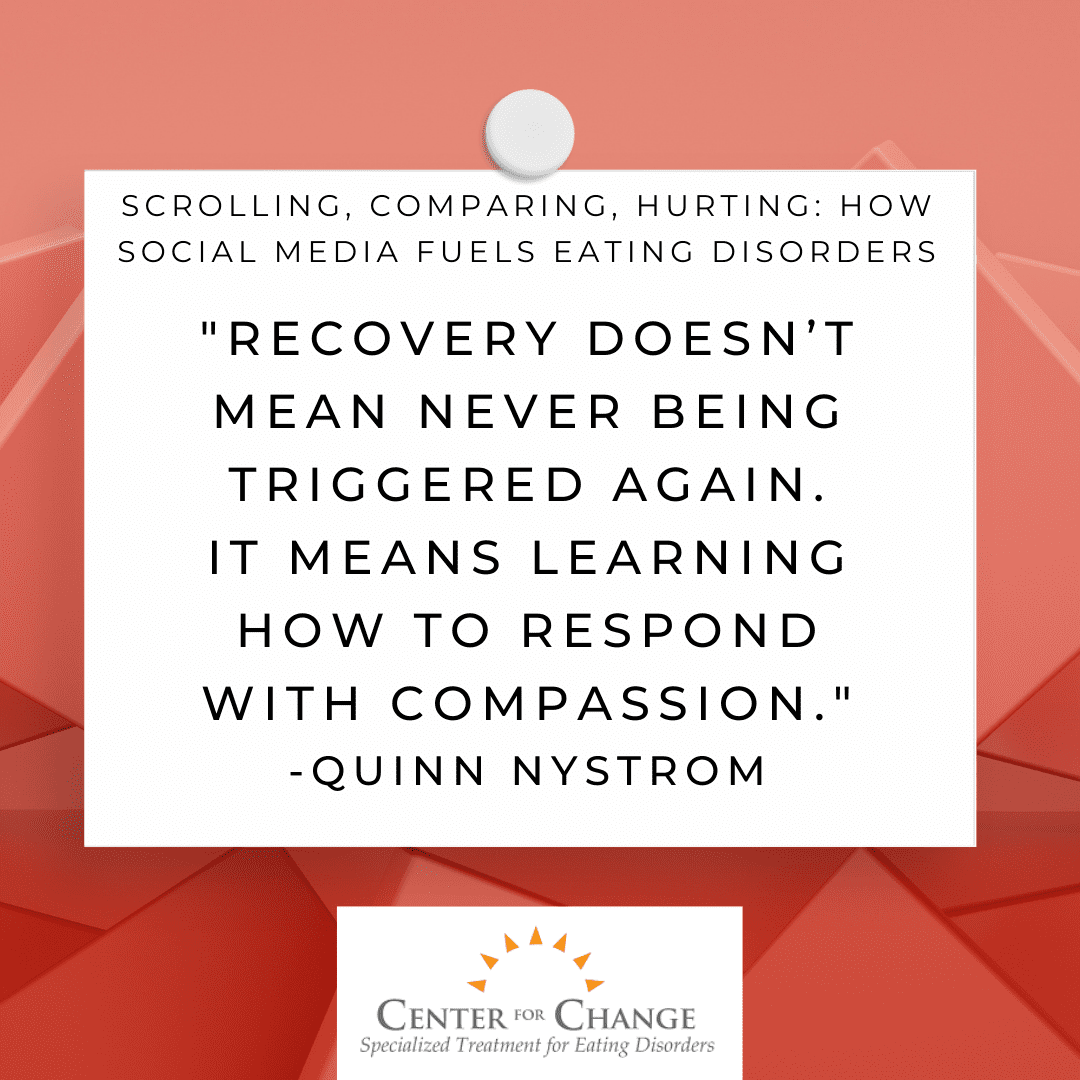
By Quinn Nystrom, M.S. There are moments when I catch myself scrolling without even realizing how long I’ve been doing it. A few minutes between meetings. Sitting in the carpool…
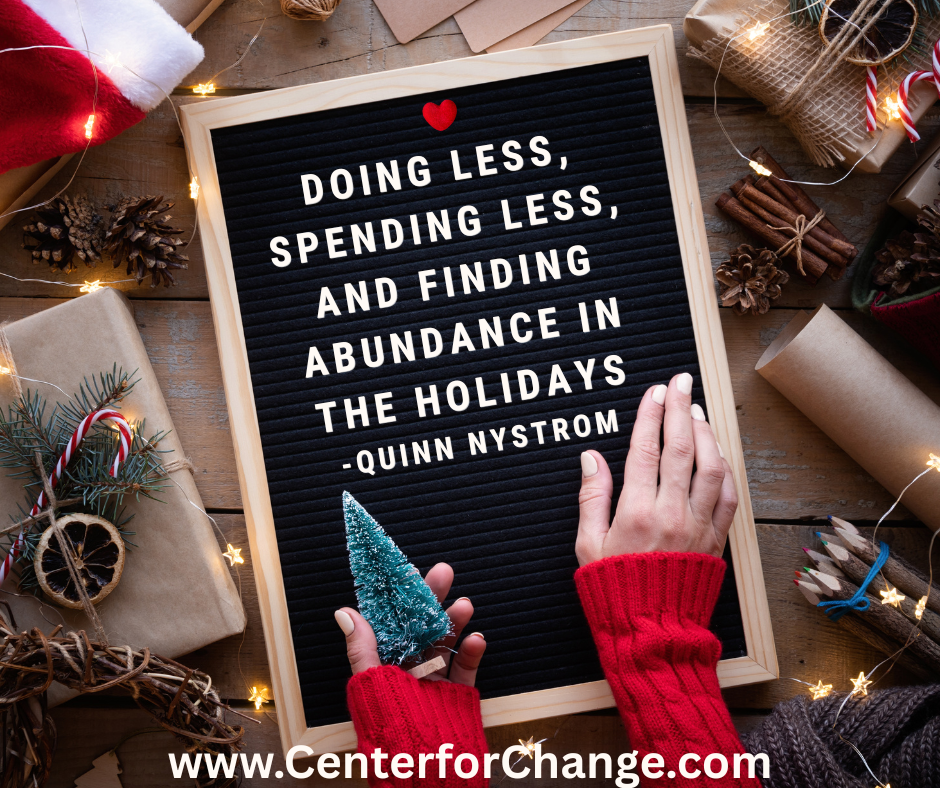
By Quinn Nystrom, MS If the holidays feel complicated for you, you’re not alone. This time of year is often portrayed as magical and abundant, but it also comes with…
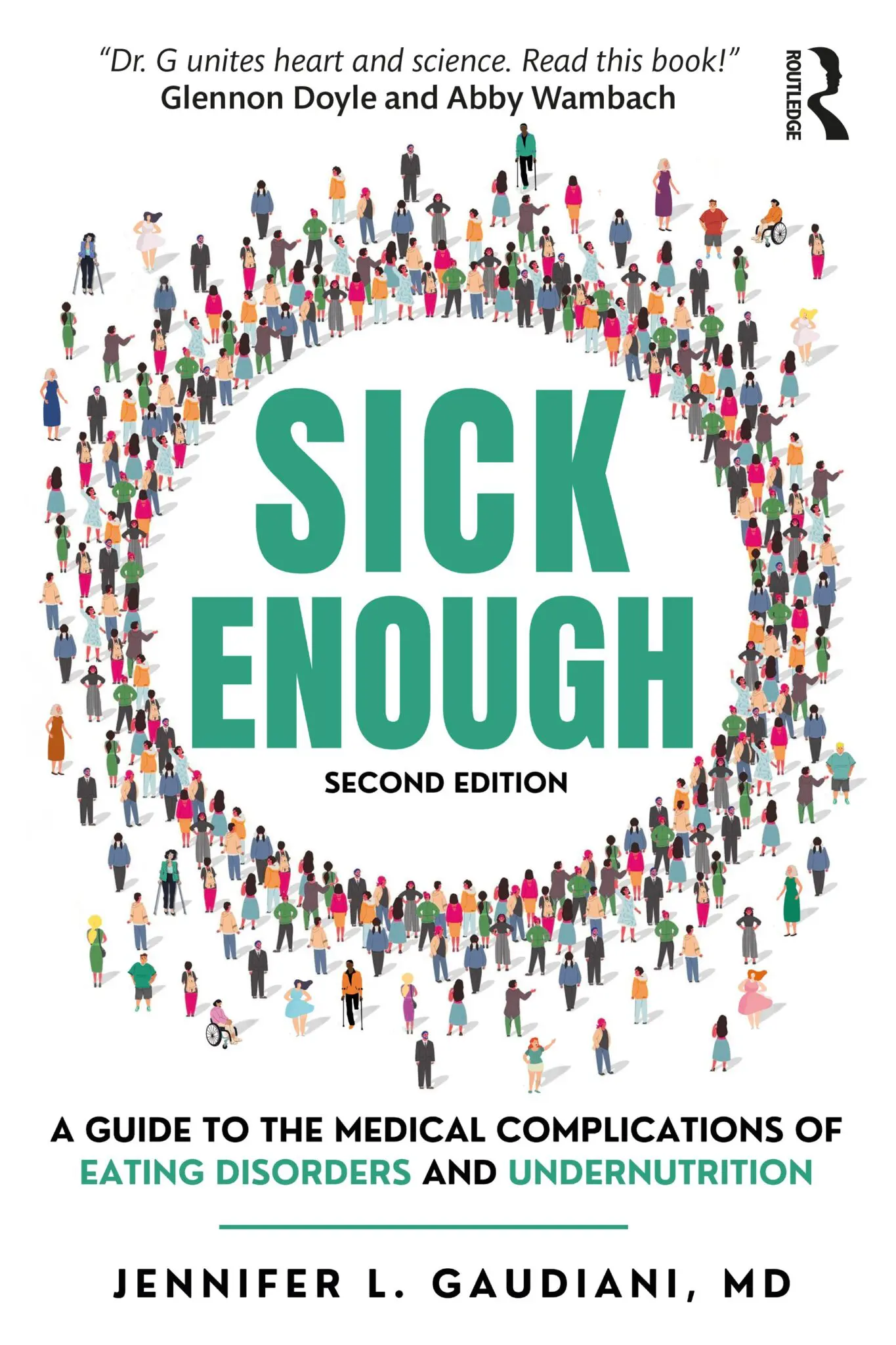
We’re excited to share that Dr. Jennifer Gaudiani’s new book, Sick Enough: A Guide to the Medical Complications of Eating Disorders, Second Edition, was released on November 10, 2025 and our…
By Quinn Nystrom, MS November is National Diabetes Awareness Month, and November 14 is World Diabetes Day—the birthday of Dr. Frederick Banting, one of the doctors who discovered insulin. For…
By Quinn Nystrom, MS October is ADHD Awareness Month, and this year feels especially meaningful to me. Did you know that more than 11 million adults in the U.S. are…
By Quinn Nystrom, MS This fall feels like a big season of change in our family. My almost 2-year-old is starting nursery school (cue the tears!), and my two stepdaughters…
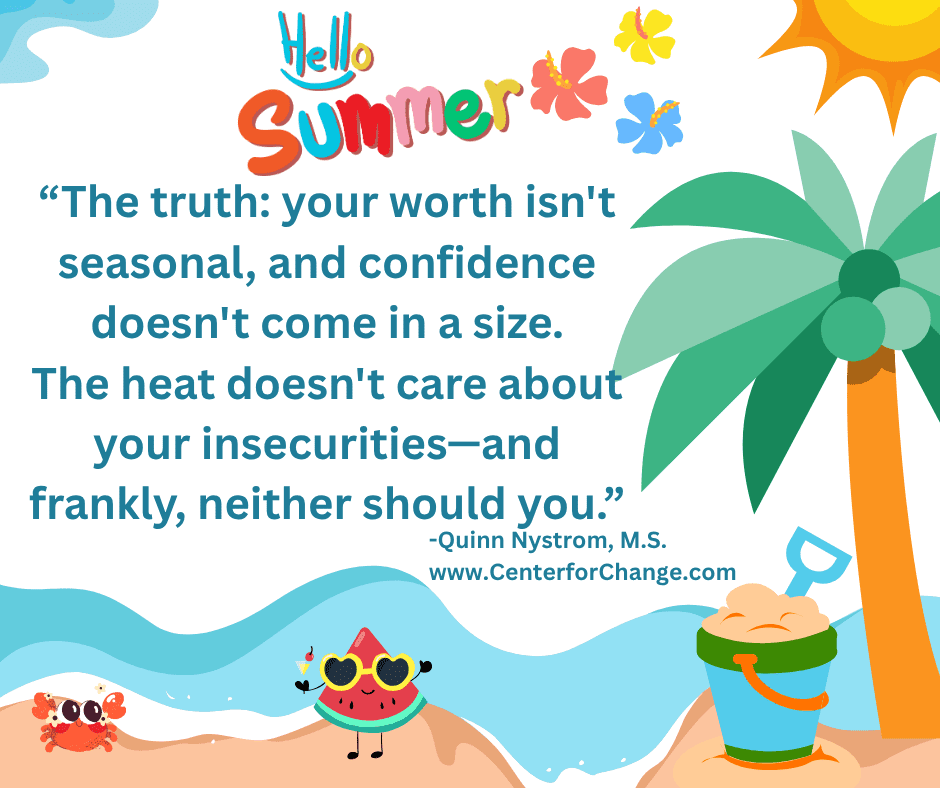
By Quinn Nystrom, MS Summer is here—and with it comes the pressure to “look good” in less clothing. As temperatures climb, so does anxiety for many of us struggling with…

At the heart of healing from an eating disorder lies a fundamental truth: full weight restoration is essential. As providers, we often find ourselves balancing the immediate needs of our…
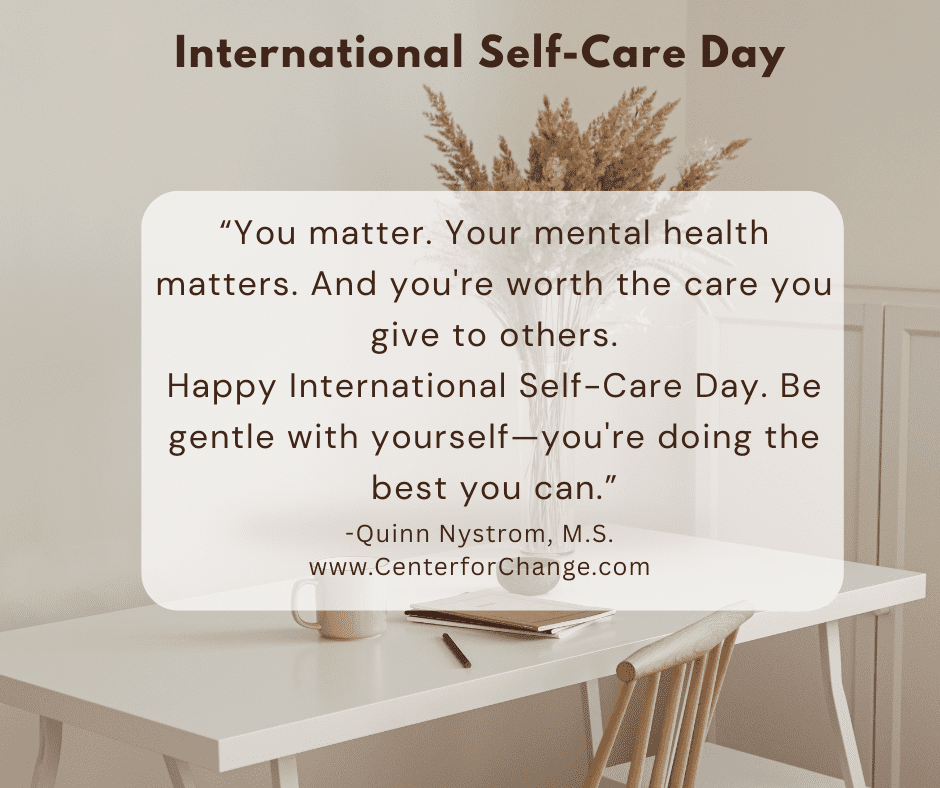
By Quinn Nystrom, MS Let’s be honest—”self-care” can sound like one of those buzzwords that gets thrown around a lot, especially on social media. Bubble baths, candles, yoga poses—it’s easy…
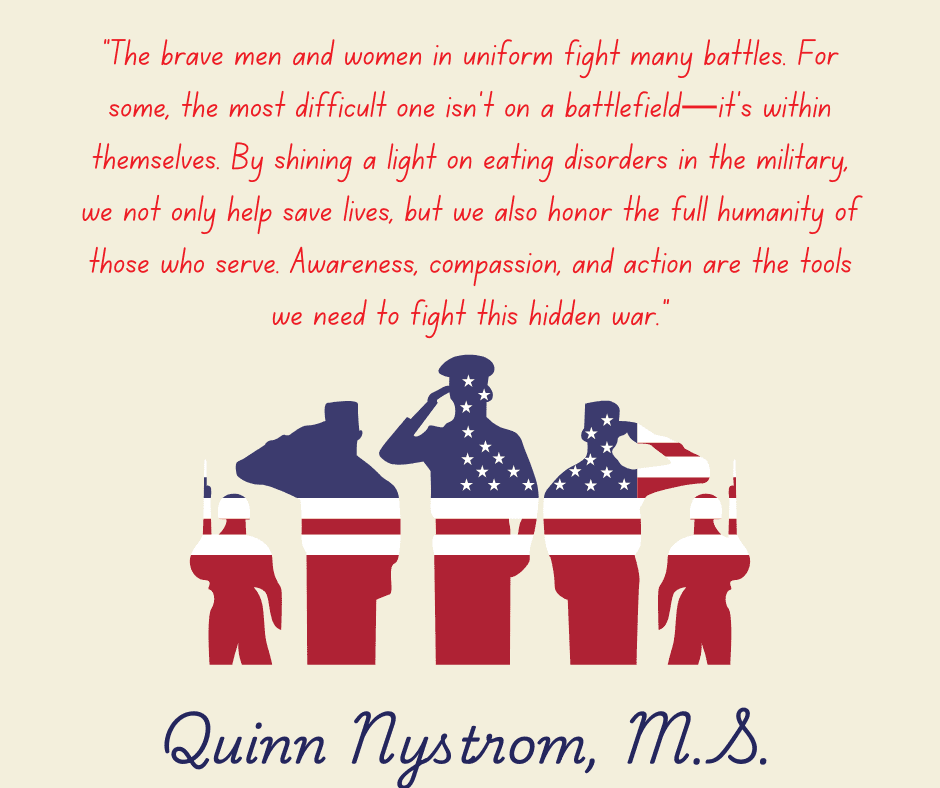
By Quinn Nystrom, MS When we think of the military, images of discipline, strength, and resilience often come to mind. Service members are trained to push their physical and mental…
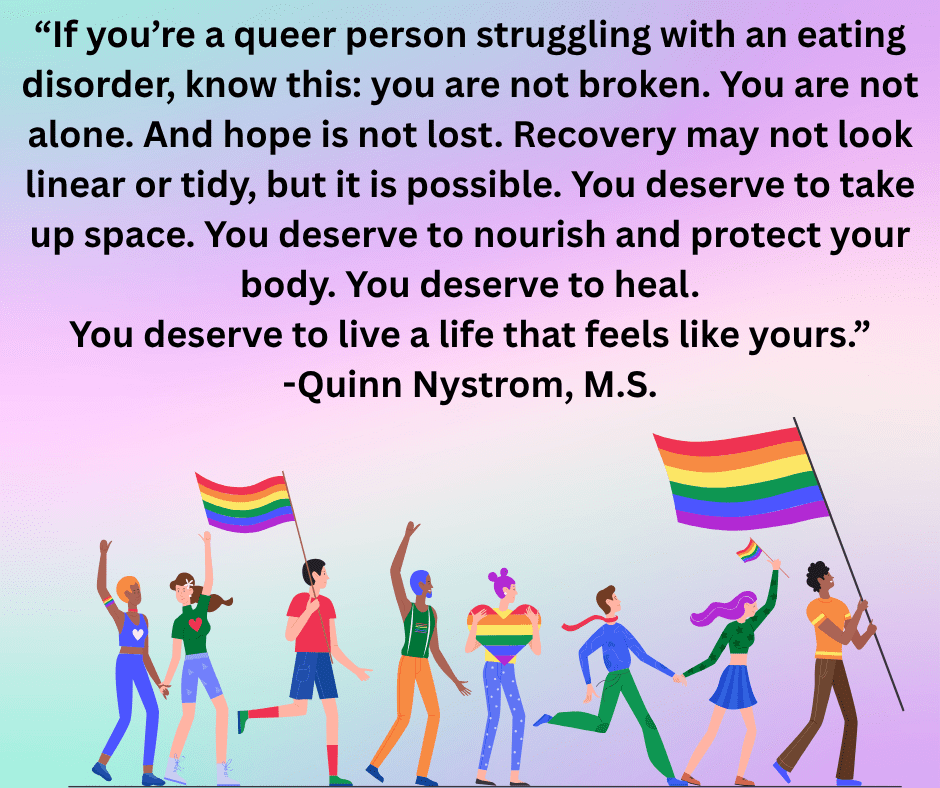
By Quinn Nystrom, MS LGBTQ+ folks are at greater risk for eating disorders than cisgender, heterosexual people — and that’s not a coincidence. It’s the result of navigating a world…
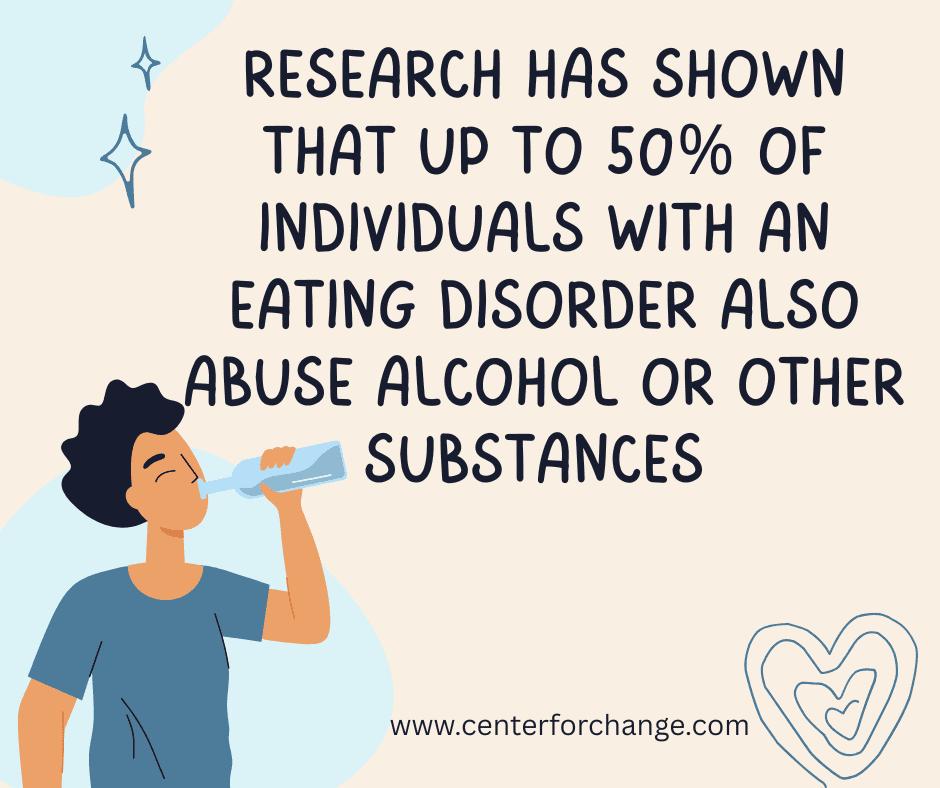
By Quinn Nystrom In 1987, April was designated as Alcohol Awareness Month to raise awareness and encourage open conversations in schools, homes, and workplaces. You might wonder why I’m choosing…

By Quinn Nystrom What would you do if you were in my shoes? I had agreed to substitute for a health teacher, and I never knew what material I would…

For individuals struggling with Complex and Enduring Anorexia Nervosa, the path to recovery can be intricate and nonlinear. Traditional treatment models that focus solely on full weight restoration or rigid…
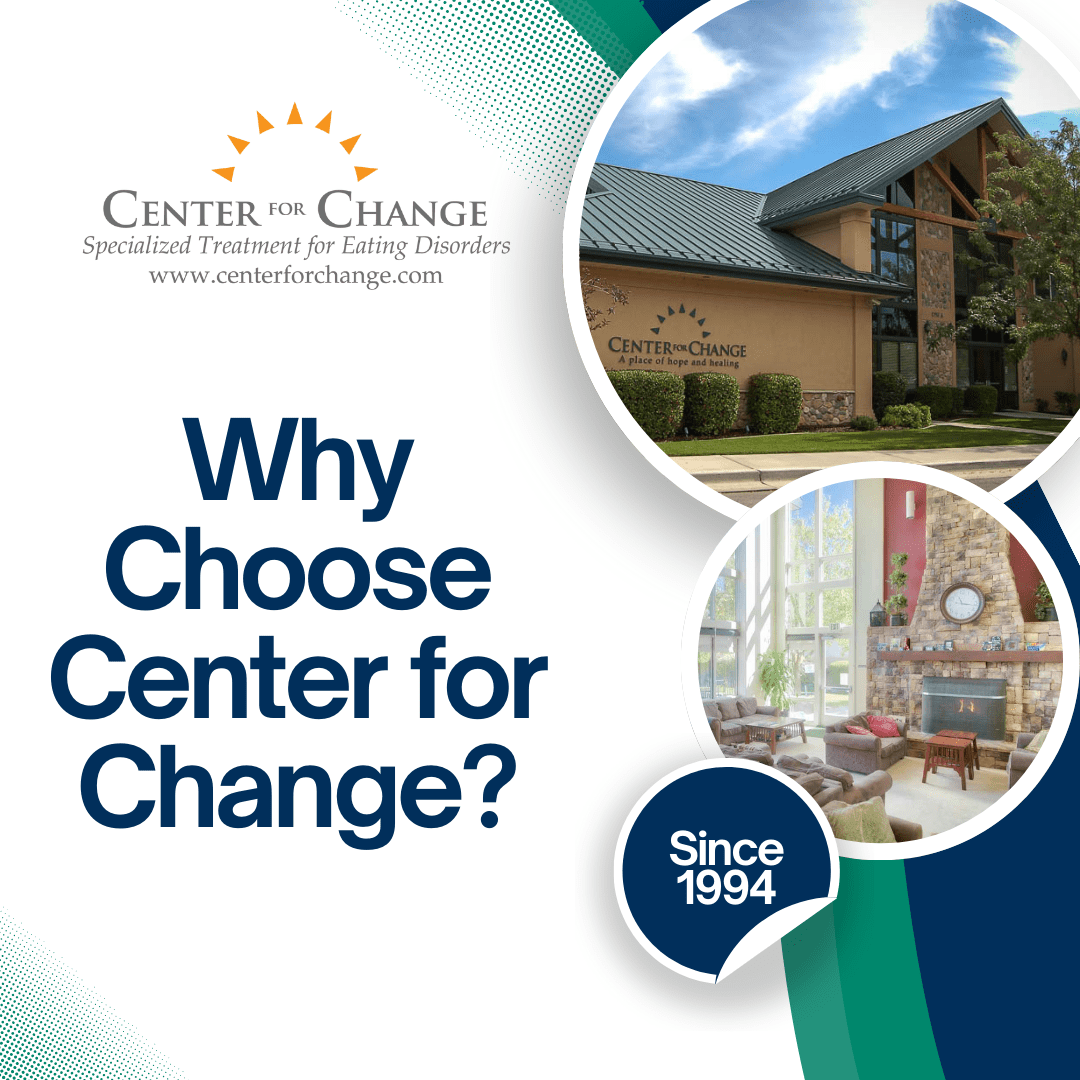
Why Choose Center for Change? A Premier Eating Disorder Treatment Center with Unmatched Expertise and Compassion When choosing an eating disorder treatment center, patients and referral sources need confidence in…

In recent years, virtual healthcare has become more accessible than ever—offering convenience and flexibility for many mental health conditions. However, when it comes to eating disorder treatment, in-person care often…

Watching a loved one struggle with an eating disorder can be heartbreaking. You may feel helpless, unsure of what to say, or afraid of pushing them away. While eating disorders…
By Quinn Nystrom, MS I struggled with an eating disorder for 12 years before I was diagnosed and given a treatment path. A significant part of this delay stemmed from…

Eating disorders are complex illnesses that impact not only physical health but also emotional well-being, relationships, and daily life. For some individuals, outpatient therapy provides the support they need to…
 Call Us Today 888-224-8250
Address: 1790 N. State St.
Orem, UT
84057
Phone: 888-224-8250
Hours: Open M-F 8:00 am – 5:00 pm


